Biography of Edward Ritchey Forbes: Renowned Veterinarian and Texas State Veterinary Surgeon (1865–1928)
By: William V. Scott
Published: February 11, 2026
Updated: February 11, 2026
Edward Ritchey Forbes, veterinarian, was born on February 6, 1865, in Toronto, Canada, to Harrison Reese, a stockbroker, and Henrietta Elizabeth (Ritchey) Forbes. The Forbes family was descended from Scottish ancestry and belonged to the Methodist Church of Canada. Forbes attended and graduated from the celebrated Ontario Veterinary College in Toronto. After graduation, he served as the assistant house surgeon to the Ontario Veterinary College and was ultimately made an honorary fellow of the Ontario Veterinary Medical Association. In early 1884 Forbes was in the United States in Kansas City, Missouri, and advertised his services as a veterinary surgeon in the February 2, 1884, edition of the Kansas City Star. During his tenure in Kansas City, he also served as veterinarian of the horse department at the Kansas City stockyards.
In the 1885 Forbes became a veterinary surgeon in the U.S. Army Department of the West and arrived at the garrison at Fort Walla Walla in Washington state on April 18, 1885. He was veterinary surgeon with the Second Cavalry, and military post returns list him until he was assigned to detached service at Fort Spokane to inspect horses in November 1887. Forbes was on extended leave in late 1887 into early 1888 but declared absent without leave on February 28, 1888, and “dropped by reason of desertion.”
Following his stint in the U.S. Army, Forbes moved throughout the Southeastern United States and the Gulf Coast. In December 1889 he discussed the influenza threatening both livestock and people in the Chattanooga Daily Times and cited the symptoms and proper treatment needed. He advocated Tennessee legislation to allow for the killing of all stock so affected and to include other contagious diseases such as glanders and Texas fever. In April 1891 Forbes reported treating multiple cases of glanders in the vicinity of Chattanooga and Missionary Ridge. During the summer of 1891 he was residing in Chattanooga, where he attended a gathering of veterinary surgeons from Tennessee and Kentucky at Linck’s Hotel in Nashville. This initial meeting led to the formation of the Southern Veterinary Medical Association. As a charter member, Forbes was elected the association's first president. In November 1891 he was living in Mobile, Alabama, and was a partner in the practice of Colsson & Forbes, which continued into 1892. At the end of 1893 Forbes had moved to Pensacola, Florida, where he was promoting his case of veterinary medicines, which he sold, and claimed “every horse owner should have.” It featured a comprehensive range of medicines for treating various ailments in horses, mules, cattle, and other animals.
By 1894 Edward R. Forbes was back in Mobile, Alabama, where he married Nathalie Dobson on February 7, 1894, at the Government Street Presbyterian Church. In May 1894 Forbes worked out of Broussard & Burke’s livery stable in New Iberia, Louisiana. The New Iberia Enterprise announced his arrival, he had his own telephone, and was advertised as “Veterinary Physician, Surgeon and Dentist.” He publicized his specialty in dentistry, lameness, all surgical operations, and diseases of the eye.
Forbes moved from Louisiana to Texas in January 1895, and his advertisement appeared in the Austin Daily Statesman and stated that he could be found at Lucas’s Drug Store, located at 821 Congress Avenue. Later that same year the city directory of Galveston listed Forbes in that city and officing at Levy’s Stables. In 1896 he traveled to Selma, Alabama, and advertised his ability to treat all diseases in domestic animals. He officed at Galt & Co.’s Drug Store. The 1900 federal census listed Forbes and his wife as boarders of Andrew Paulovich in his home in the Napoleonville Community near Mobile, Alabama.
During the Boer War, Forbes served the British Army as a staff veterinary surgeon in the Remount Department. On January 5, 1901, he arrived in New Orleans on the S. S. Monarch from Cape Town, South Africa. He apparently later returned to Cape Town, then left for England, and eventually arrived back in the United States at Port Charlotte, New York, by rail from Canada on November 1, 1902.
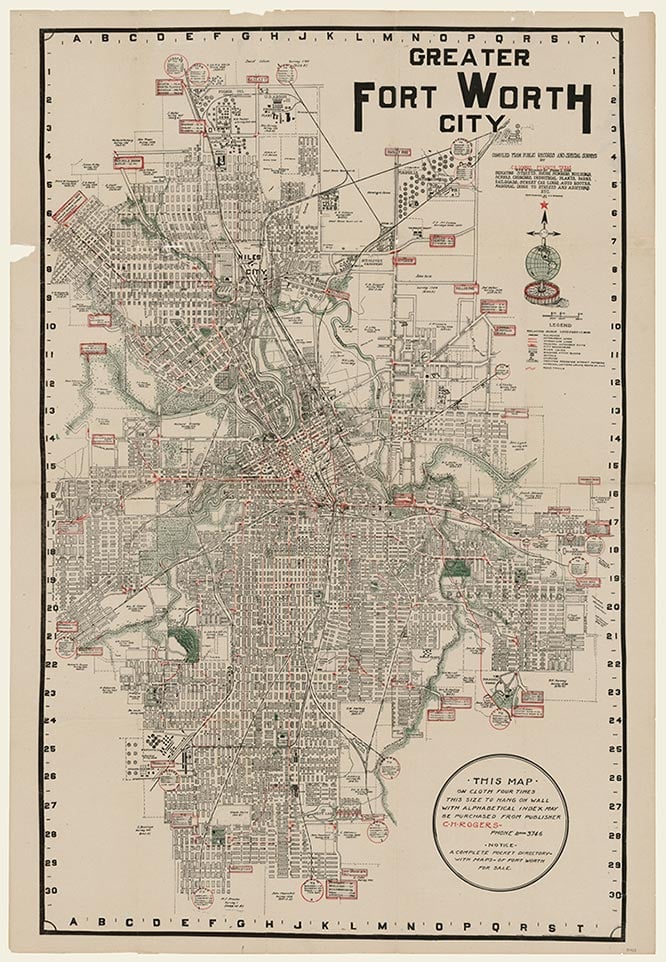
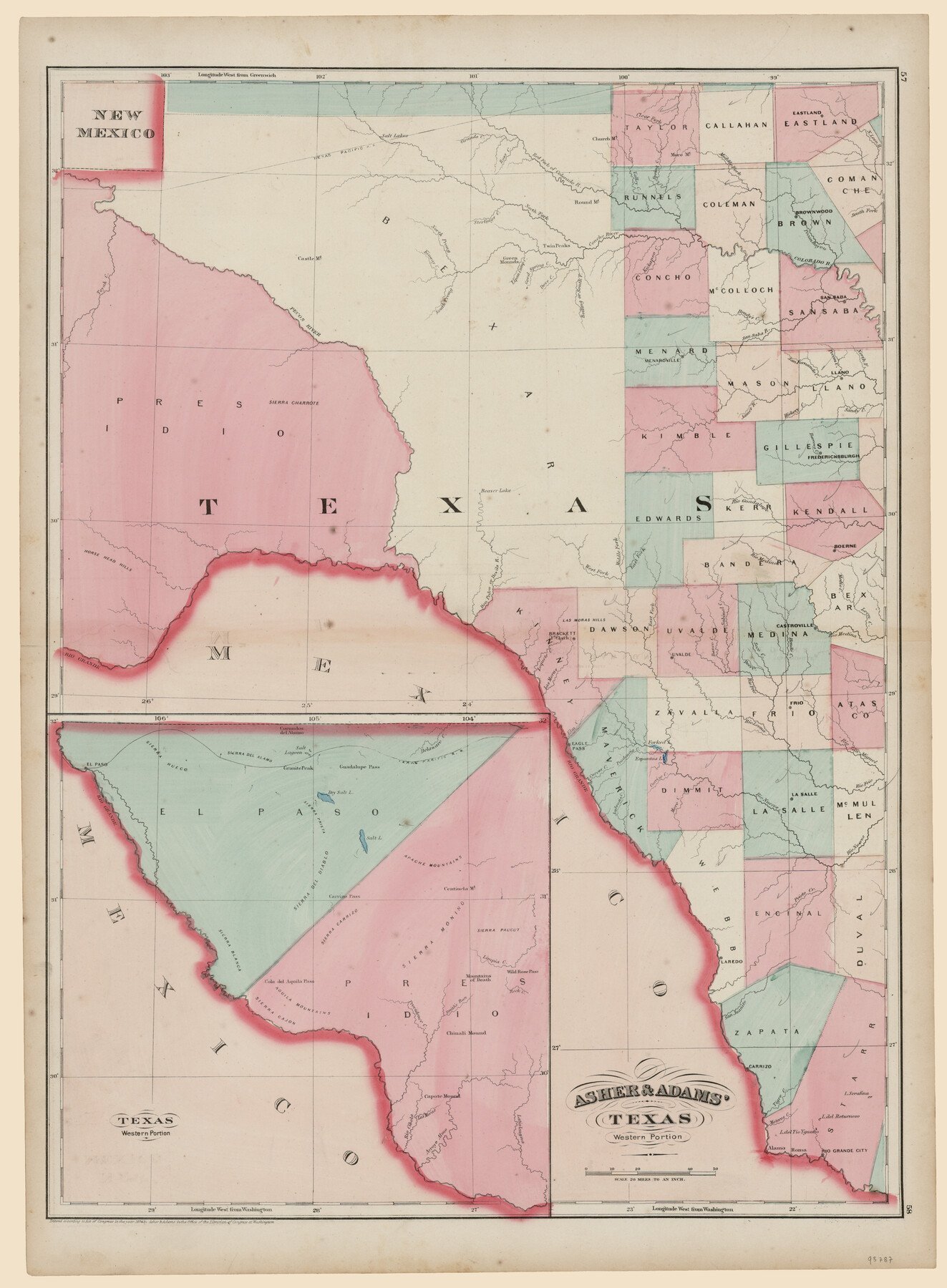
Forbes soon relocated to Texas and in 1903 returned to Galveston and officed over 510 Tremont Street. In August 1903 he partnered with T. W. Watson, who shared many of Forbes's credentials, at Eastin & Stark’s Stable in Orange, Texas. Within a few years Forbes moved west and took up residence in Fort Worth, where he practiced primarily in the stockyards. He also established a presence in San Angelo and traveled to many towns throughout West Texas, including Sonora, Llano, Mason, Brady, Brownwood, Big Spring, and other locales.
Edward R. Forbes and Nathalie Forbes divorced in 1906. They had no children. Both went on to remarry in 1909. On November 2, 1909, Forbes married Charlotte Emily Frances Pashley, a recent immigrant from England, at the Church of the Incarnation in Dallas, Texas. They had a son, Edward Ritchard Pashley Forbes, in 1910. Nathalie D. Forbes married Gustave Hanschke on December 9, 1909, at the First Evangelical Lutheran Church in Galveston, Texas.
In 1909 Forbes was appointed state veterinary surgeon to succeed E. F. Jarrel, who had resigned on July 30, 1909. Forbes still lived in Fort Worth, which was designated the official headquarters of the state's veterinary surgeon. As state veterinarian, Forbes oversaw all livestock inspectors of the Livestock Sanitary Commission (see TEXAS ANIMAL HEALTH COMMISSION). In 1910 he served as president of the Texas Veterinary Medical Association. In his role as state veterinarian, Forbes dealt with a breakout of fatal hog cholera near Austin in May 1910. Later that year in Beaumont, Forbes conferred with other health authorities regarding anthrax. Consequently, they drafted a bill for the upcoming Texas legislature to boost the powers of the state veterinarian and state Livestock Sanitary Commission and to increase funding for more effective disease control. Forbes noted improvements due to rice farmers and small cattle owners burning carcasses, but some large cattle owners still refused to do so and resisted eradication efforts. They also investigated conditions in Orange and Port Arthur. Forbes was tasked with overseeing the stricter enforcement of quarantine rules applied to cattle shipments in the state, in response to the federal government's demand for improved service. His work as state veterinarian also took him to Falfurrias, where he tested 2,000 dairy cows for tuberculosis.
In March 1912 Forbes helped organize a convention of the Texas Veterinary Medical Association, held across from the Livestock Exchange Building in Fort Worth. He was also a featured speaker, and his topic detailed the proper disposal of dead carcasses. He served as a delegate to the American Veterinarian Association’s meeting in Indianapolis later that year. During his tenure as state veterinarian, he secured a uniform health certificate for the interstate shipment of livestock and established rules for the Board of Veterinary Medical Examiners.
In 1914 Forbes was in Houston and serving on the Executive Committee of the United States Live Stock Sanitary Association. Following the widespread outbreak of anthrax among horses, mules, and cattle, the Livestock Sanitary Commission formed a team to work with Forbes. The commission sent blood and tissue samples to the Bureau of Animal Industry Laboratory in Washington, D.C. At the time, the disease had spread across the state and affected areas from Young and Jack County in the north, Jefferson County in the east, and Kinney and Edwards counties in the west.
After the death of his wife in Fort Worth in November 1914, Forbes resigned from his position of state veterinarian on January 5, 1915, after serving for approximately six years. As a member of the Reserve Corps of the British Army, he was called to service during World War I, and he traveled to New Orleans to accept a position with the British government as a veterinarian in charge of securing horses intended for the British and French armies. He oversaw the purchase of thousands of horses and mules by the British Army in the United States and other countries and supervised their shipment. In August 1915 the British transport Baron Erskine was carrying Forbes, who was serving as a veterinary inspector responsible for shipping horses to England from the United States, when it was attacked and sunk by a German U-boat near the Scilly Islands, fifty miles off the coast of Cornwall. The ship’s passengers were rescued and safely taken to the coast of France. Forbes successfully managed 5,000 remounts and navigated the dangerous U-boat waters safely on five round-trips from America to England.
Later in 1915 he returned to San Angelo, where in February 1916 he opened a practice in partnership with Dr. T. W. Watson, former president of the State Board of Veterinary Medical Examiners of Texas. They established their headquarters at McNeil’s Feed Yard in San Angelo but regularly visited ranches in Coleman (which had a branch office), Ballinger, and other parts of West Texas. Forbes and Watson advertised specialties in lameness, surgery, dentistry, testing of tuberculosis in cattle, and other ranch practices. Forbes lived at his ranch home in Mereta, approximately fifteen miles from San Angelo. He closed his branch office in Coleman in August 1916 before forming a veterinary surgery partnership with C. C. Parker, a 1908 graduate of Kansas City Veterinary College, on September 1, 1916. Their office was located at the livery barn across from the Tom Green County courthouse on Beauregard Avenue in San Angelo.
On January 30, 1920, Forbes married Barbara Pashley, a recent English immigrant, in Jefferson, Texas. He stopped practicing veterinary medicine about 1924 and took a sales job with Parke-Davis Drug Company. In this role, he conducted a traveling demonstration of Nema Capsules, which were designed to eliminate stomach worms in sheep and goats. In August 1927 Forbes’s sixteen-year-old son, Edward, died as a result of an accidental self-inflicted gunshot wound on the Forbes Ranch.
In addition to being a well-known veterinarian of West Texas, Forbes was active in Freemasonry and was a thirty-second-degree Scottish Rite Mason. He had also successfully shown his dogs at dog shows and was a breeder of White Wyandotte chickens. At the age of sixty-three, Edward Ritchey Forbes died of heart failure on March 29, 1928, while he was leaving his room at the Naylor Hotel in San Angelo. He was buried with a Masonic service in the family plot at Mereta Cemetery in Tom Green County.
Bibliography:
Austin Daily Statesman, January 19, 1895. Chattanooga Daily Times, December 17, 1889. Coleman Voice, February 5, 1909. Fort Worth Record, August 2, 1909; March 16, 1910; November 16, 1910. Fort Worth Star-Telegram, March 17, 20, 1912; November 15, 20, 1914. Houston Chronicle, May 29, 1910. Houston Post, July 13, 1910; January 6, 1915. Kansas City Star (Missouri), February 2, 1884. Matagorda County Tribune, April 6, 1929. Nashville Banner, July 6, 1891. New Iberia Enterprise, May 19, 1894. Orange Leader, August 7, 1903. Pensacola News, December 30, 31, 1893. Returns from U. S. Military Posts, 1800–1916 (National Archives Microfilm Publication M-617, 1,550; rolls), Record Group 94, Records of the Adjutant General’s Office, 1780s–1917, National Archives, Washington, D. C. San Angelo Evening Standard, August 4, 1914; November 19, 1915; February 7, 1916; August 26, 1916; September 2, 1916; October 20, 1922. San Angelo Morning Times, March 30, 1928. San Angelo Weekly Standard, October 31, 1919.
Categories:
Time Periods:
The following, adapted from the Chicago Manual of Style, 15th edition, is the preferred citation for this entry.
William V. Scott, “Forbes, Edward Ritchey,” Handbook of Texas Online, accessed March 09, 2026, https://www.tshaonline.org/handbook/entries/forbes-edward-ritchey.
Published by the Texas State Historical Association.
TID:
FFORB
All copyrighted materials included within the Handbook of Texas Online are in accordance with Title 17 U.S.C. Section 107 related to Copyright and “Fair Use” for Non-Profit educational institutions, which permits the Texas State Historical Association (TSHA), to utilize copyrighted materials to further scholarship, education, and inform the public. The TSHA makes every effort to conform to the principles of fair use and to comply with copyright law.
For more information go to: http://www.law.cornell.edu/uscode/17/107.shtml
If you wish to use copyrighted material from this site for purposes of your own that go beyond fair use, you must obtain permission from the copyright owner.
- February 11, 2026
- February 11, 2026
This entry belongs to the following special projects: