The Franco-Texian Bill of 1841: A Historical Overview
By: Curtis Bishop
Published: 1976
Updated: January 1, 1995
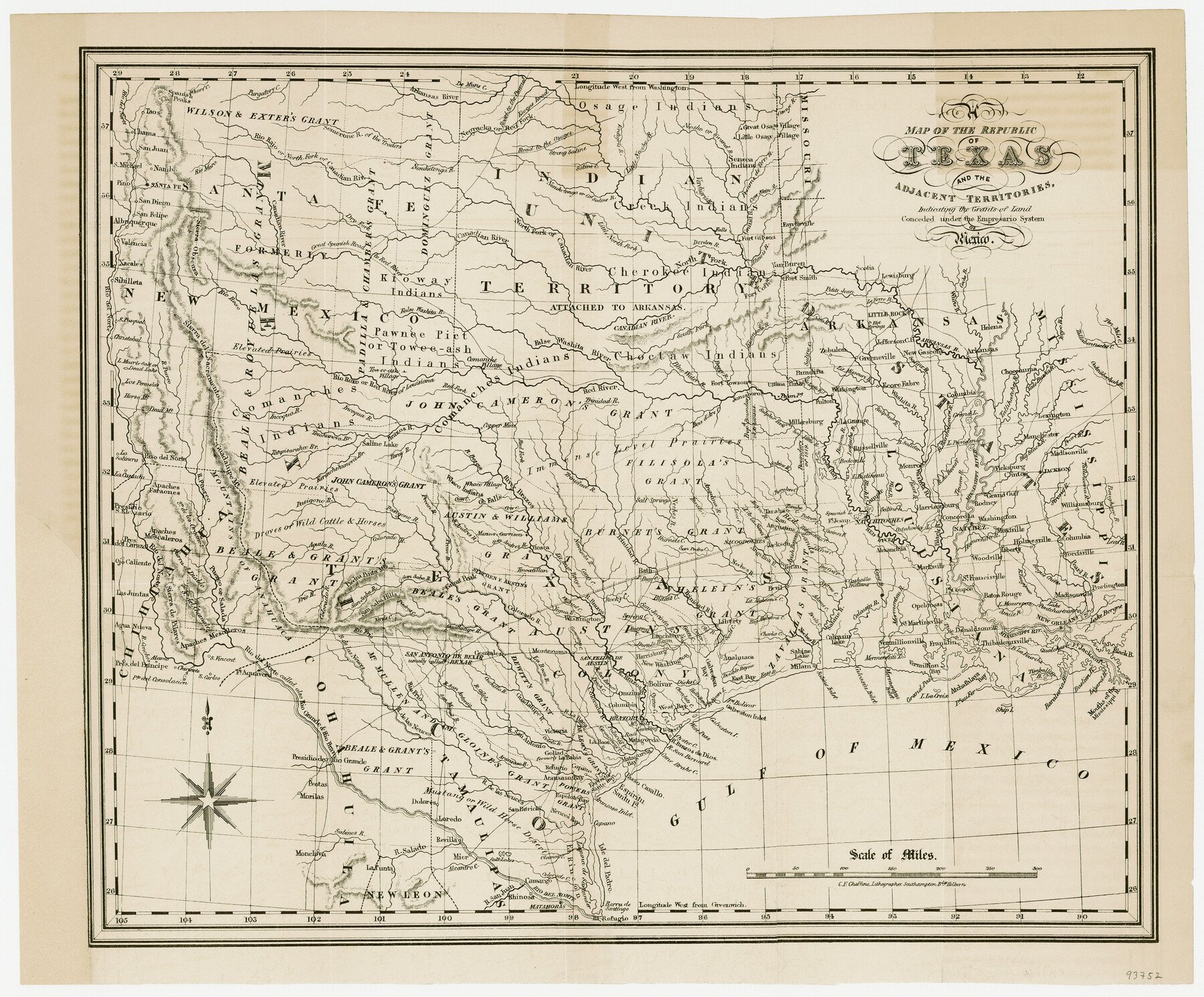
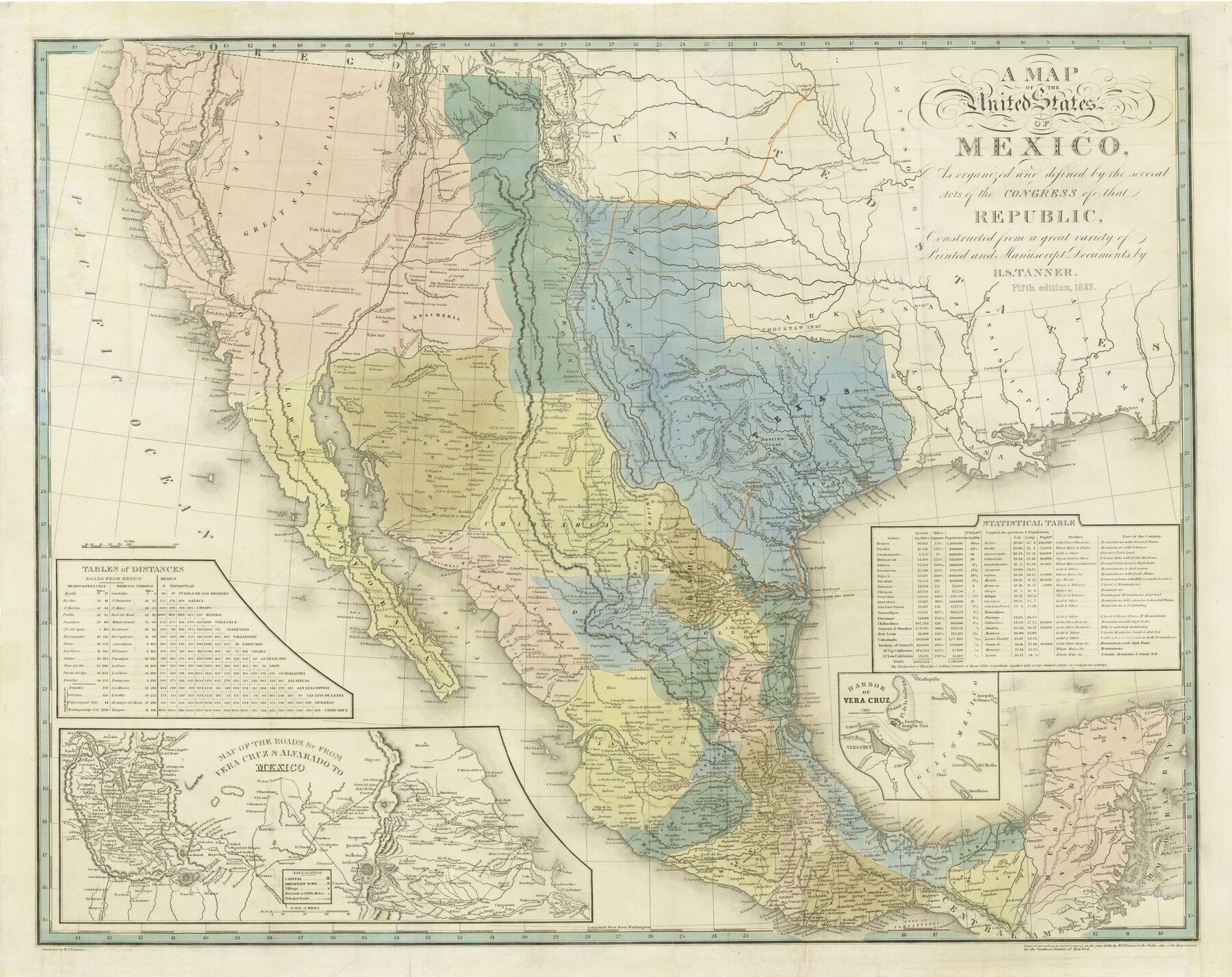
The Franco-Texian Bill, introduced into the Texas Congress on January 12, 1841, was proposed by two Frenchmen, Jean Pierre Hippolyte Basterrèche and Pierre François de Lassaulx. The bill, "An Act to Incorporate the Franco Texian Commercial and Colonization Company," called for the company to introduce 8,000 families and establish and maintain twenty forts for twenty years in return for a grant of three million acres from the Republic of Texas and exemption of the settlers from all taxes and tariffs for a period of twenty years. The land under consideration lay along Texas rivers and was not in one contiguous plot. The proposal specified that the company was to have exclusive trading privileges with the New Mexico settlements. The company was also to develop mines within the territory and pay the republic 15 percent of the gross returns. The bill, urged by both Dubois de Saligny, French chargé d'affaires to Texas, and Sam Houston, was approved by the House on January 23, 1841, but the measure was never presented in the Senate because its sponsors saw that a two-thirds majority could not be mustered to pass it over the threatened veto of acting president David G. Burnet.
Bibliography:
Categories:
Time Periods:
The following, adapted from the Chicago Manual of Style, 15th edition, is the preferred citation for this entry.
Curtis Bishop, “Franco-Texian Bill,” Handbook of Texas Online, accessed March 09, 2026, https://www.tshaonline.org/handbook/entries/franco-texian-bill.
Published by the Texas State Historical Association.
TID:
UGF02
- 1976
- January 1, 1995