Felix Huston: Military Adventurer and Texas Revolutionary (1800–1857)
By: Thomas W. Cutrer
Revised by: Randolph B. "Mike" Campbell
Published: 1952
Updated: July 21, 2022
Felix Huston, lawyer, military adventurer, and commanding officer of the Army of the Republic of Texas, was born in Breckinridge County, Kentucky, in 1800, the son of Joseph and Margaret (Allen) Huston. (Some sources place his birthday three years earlier in 1797.) He attended Transylvania University during the early 1820s and began the practice of law in Natchez, Mississippi. By 1830 he had amassed considerable wealth and reported the ownership of forty-seven slaves. When word of the Texas Revolution reached him, he advocated Texas independence and solicited aid for the cause. As a propagandist for the revolution, he raised troops and money throughout Mississippi and Kentucky and incurred a personal debt of $40,000 raising and equipping soldiers for service in Texas. He left Natchez on May 5, 1836, with Rezin P. Bowie and an estimated 500 to 700 volunteers for the Texas army, marched across Louisiana, and arrived at army headquarters on July 4, too late to participate in the war for independence.
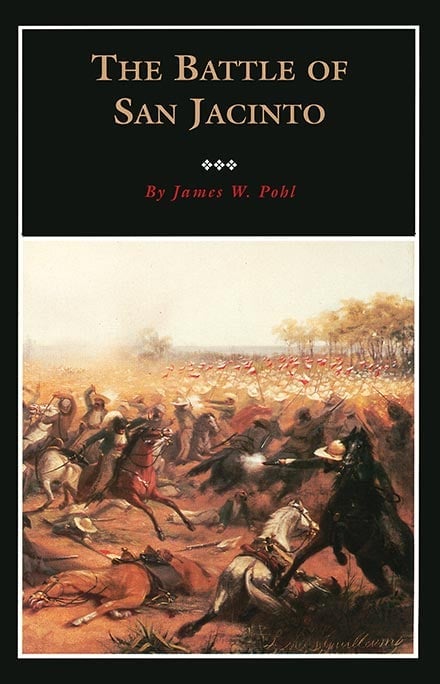
After the battle of San Jacinto, Sam Houston left the army to seek treatment in New Orleans for a wounded ankle, leaving Thomas Jefferson Rusk in command. When ad interim president David G. Burnet attempted to relieve Rusk and place Mirabeau B. Lamar in command of the army, Huston was selected by his fellow officers to chair a committee called to deal with the government's "interference." Huston's committee resolved to support Rusk as general in chief, but when Lamar arrived in camp, Rusk called for a vote of the troops. Rusk was confirmed overwhelmingly and continued in command until Houston's inauguration as first president of the republic, then accepted a cabinet post as secretary of war in Houston's cabinet. In October, 1836, Houston appointed Huston junior brigadier general of the army and temporary commander in chief of the 2,000-man army. Under Huston the camps of the army became the resting place for idlers and brawlers, but when Houston appointed Albert Sidney Johnston senior brigadier general and commander of the army, Huston's honor compelled him to challenge the new commander and shoot him through the right hip in a duel on the Lavaca River, on February 7, 1837.
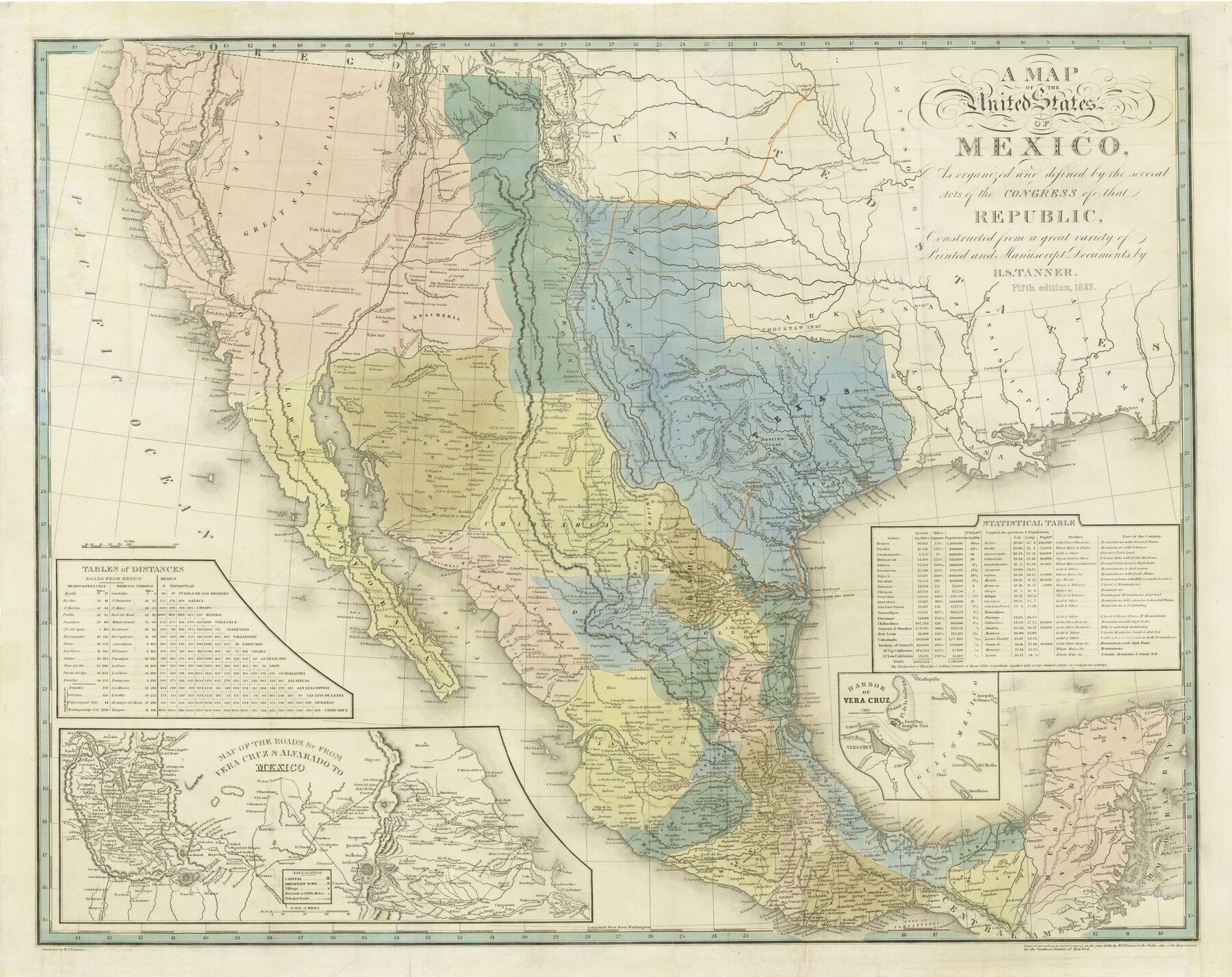
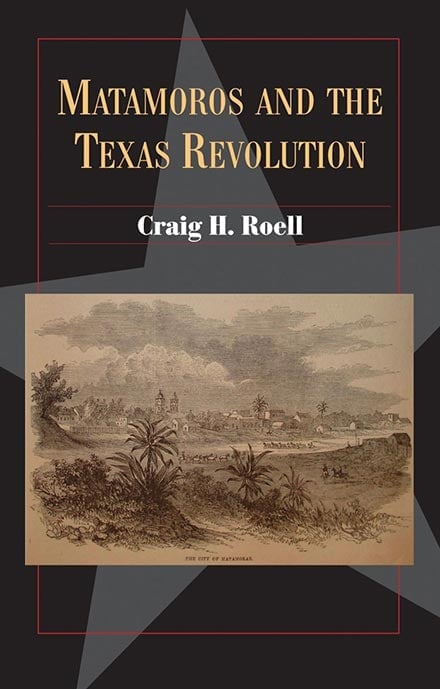
Huston, who believed that Mexico would never recognize the Rio Grande as the southern border of Texas, proposed that he raise, finance, and command a military colony of 5,000 to 10,000 soldiers in South Texas with the intention of capturing Matamoros. Rusk and Gen. Thomas J. Green seem to have favored the scheme, but it was vetoed by President Houston and never carried out. Huston, his dreams of a glorious war with Mexico thwarted, soon retired from command,
In August 1840, as the large force of Comanche Indians moved westward after their destructive raid on Victoria and Linnville, Huston arrived as a volunteer at Plum Creek north of present-day Lockhart and was recognized as a leader of the Texan forces gathering there. The Texans intercepted the retreating Comanches, and Huston, at the urging of Benjamin McCulloch and other old Indian fighters, participated in an attack that cost the Indians about 100 lives. Huston left Texas in the fall after the battle of Plum Creek and, in partnership with Sergeant S. Prentiss, formed a law firm in New Orleans. In 1844 he campaigned vigorously in favor of the annexation of Texas to the United States. By 1850 he lived as a farmer in East Feliciana Parish, Louisiana, and in the late 1850s he became prominent as a secessionist. He died in Natchez in 1857 and was buried at the Rodney Burying Ground in Adams County, Mississippi. Probate records indicate that his wife Mary E. Huston was his only heir. Historian Eugene C. Barker characterized Huston as "a typical military adventurer" whose "actual personal service in Texas was more obstreperous than effective; nevertheless," Barker writes, Huston was "a true friend of Texas."
Bibliography:
John J. Linn, Reminiscences of Fifty Years in Texas (New York: Sadlier, 1883; 2d ed., Austin: Steck, 1935; rpt., Austin: State House, 1986). Amelia W. Williams and Eugene C. Barker, eds., The Writings of Sam Houston, 1813–1863 (8 vols., Austin: University of Texas Press, 1938–43; rpt., Austin and New York: Pemberton Press, 1970). Dudley Goodall Wooten, ed., A Comprehensive History of Texas (2 vols., Dallas: Scarff, 1898; rpt., Austin: Texas State Historical Association, 1986).
Categories:
Time Periods:
The following, adapted from the Chicago Manual of Style, 15th edition, is the preferred citation for this entry.
Thomas W. Cutrer Revised by Randolph B. "Mike" Campbell, “Huston, Felix,” Handbook of Texas Online, accessed March 09, 2026, https://www.tshaonline.org/handbook/entries/huston-felix.
Published by the Texas State Historical Association.
TID:
FHU46
- 1952
- July 21, 2022