William Henry Morrow: Confederate Surgeon and U.S. Army Physician (1828–1868)
By: William V. Scott
Published: May 5, 2025
Updated: May 7, 2025
William Henry Morrow, physician, contract surgeon for the U.S. Army, and Confederate soldier and surgeon, was born in Chapel Hill, North Carolina, about 1828 to George Washington Morrow, a teacher and University of North Carolina alumnus, and Eliza Jeanette (Graves) Morrow. Morrow graduated as a doctor of medicine from the University of North Carolina in 1853 and also studied at the medical school of the University of Louisville in Kentucky.
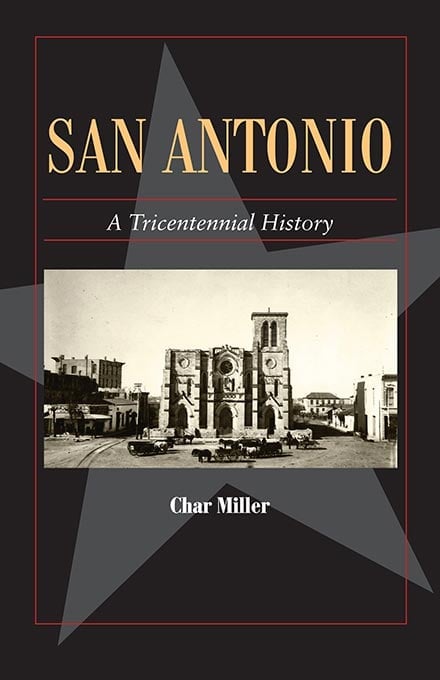
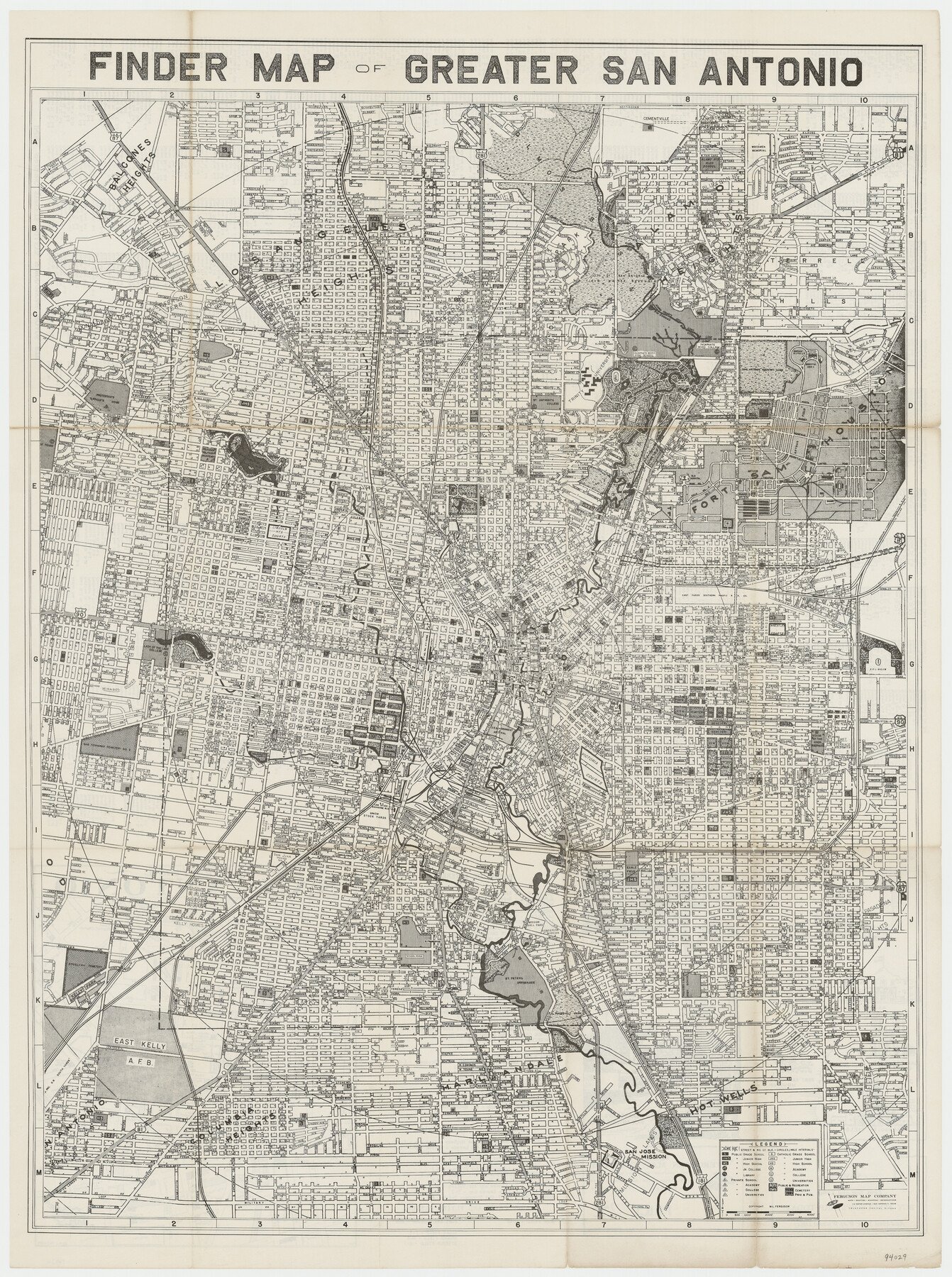
William H. Morrow lived in Texas for six years. In 1855 the recently-transplanted Morrow partnered with his uncle, physician Ralph Lewis Graves, in San Antonio. Both were from Orange County, North Carolina, and the duo was advertised in the October 25, 1855, edition of the San Antonio Texan as “Doctors of Physic and Surgery” who offered “their services to the citizens of Bexar county in the various branches of their profession.” Morrow advertised in both English and Spanish newspapers of San Antonio and seemed to have catered to the Hispanic population near his home on a ranch south of San Antonio on the San Antonio River. He became a well-respected physician, surgeon, and pharmacist in the San Antonio community.
Morrow contracted with the U.S. Army as an acting assistant surgeon (citizen physician) attached to the Eighth U.S. Infantry in the latter part of 1859 and 1860. He was present at a camp near Camp Hudson, on the Devils River in Val Verde County, from May 24, 1859, and continued to Camp Lawson when it was officially established as a military post on October 27, 1859, by Capt. Arthur Tracy Lee. Morrow accompanied Captain Lee and Company C when they marched to a camp near Laredo the following month, where they were stationed from January through early February 1860. Morrow was compensated $100 a month. He was stationed at Camp (Fort) McIntosh when it was reoccupied during the Cortina War with a detachment of Company F, Eighth U.S. Infantry, under Lt. Edward Deveaux Blake, from March 14 to May 6, 1860, and earned $80 a month. Assistant Surgeon John Jacob Gaenslan replaced Morrow in May 1860.
Per his service records, William Morrow enlisted as a private in Company H, Eighth Texas Cavalry (Terry’s Texas Rangers), Wharton’s Brigade, and Wheeler’s Division, at Bell’s Tavern, Kentucky, on February 15, 1862. He served as a soldier with the regiment (not in the capacity of a medical officer) until he was discharged on March 10, 1863, by Special Orders No. 35 of Gen. Braxton Bragg, as Morrow had been commissioned an assistant surgeon in the Provisional Army of the Confederate States on January 22, 1863.
Morrow was commissioned as an assistant surgeon in the North Carolina State Troops service by Governor Zebulon Baird "Zeb" Vance and was assigned to the First North Carolina Battalion and the Sixty-seventh North Carolina Infantry Regiment on April 10, 1863. Morrow’s brother, Elijah Graham Morrow, a captain in the Twenty-eighth North Carolina Infantry, was mortally wounded and captured in the battle of Gettysburg and died of his wounds on July 19, 1863. William Morrow served as assistant medical officer, Sixty-seventh North Carolina, at Coward’s Bridge near Kinston, North Carolina, from April 18 through October 24, 1864.
William Henry Morrow married Fannie P. Johnson on January 11, 1862, in Halifax County, North Carolina. The couple had two children—Mary and Anna. After the war, Morrow lived in Fayetteville, North Carolina, where he was a U. S. deputy marshal in 1868 and was responsible for taking possession of people’s property in cases of bankruptcy. Morrow died in Fayetteville on September 19, 1868. His death came as a result of a shootout in Fayetteville that occurred the previous day, when he had an altercation over political differences with another individual. Morrow was buried in Cross Creek Cemetery No. 1 in Fayetteville, North Carolina. His widow, who had taught school in Fayetteville, later conducted a private school in Beverly, New Jersey, but later in life she returned to Fayetteville, North Carolina. At age ninety-six, Fannie Morrow applied for a widow’s Confederate pension.
Bibliography:
Compiled Service Records of Confederate Soldiers Who Served in Organizations from the State of North Carolina, National Archives and Records Service, Washington, D.C. “Dr William Henry Morrow,” Find A Grave Memorial (https://www.findagrave.com/memorial/265878237/william_henry-morrow), accessed April 23, 2025. El Bejareño (San Antonio), April 26, 1856. The Daily Standard (Raleigh, North Carolina), September 11, 1868. San Antonio Texan, October 25, 1855. Thomas T. Smith, Under the Double Edge: Citizen Employees of the U.S. Army on the Texas Frontier, 1846–1899 (Austin: Texas State Historical Association, 2023). Wilmington Journal (North Carolina), September 25, 1868.
Categories:
Time Periods:
Places:
The following, adapted from the Chicago Manual of Style, 15th edition, is the preferred citation for this entry.
William V. Scott, “Morrow, William Henry,” Handbook of Texas Online, accessed March 09, 2026, https://www.tshaonline.org/handbook/entries/morrow-william-henry.
Published by the Texas State Historical Association.
TID:
FMOWW
All copyrighted materials included within the Handbook of Texas Online are in accordance with Title 17 U.S.C. Section 107 related to Copyright and “Fair Use” for Non-Profit educational institutions, which permits the Texas State Historical Association (TSHA), to utilize copyrighted materials to further scholarship, education, and inform the public. The TSHA makes every effort to conform to the principles of fair use and to comply with copyright law.
For more information go to: http://www.law.cornell.edu/uscode/17/107.shtml
If you wish to use copyrighted material from this site for purposes of your own that go beyond fair use, you must obtain permission from the copyright owner.
- May 5, 2025
- May 7, 2025
This entry belongs to the following special projects: