The Pals Social Club: Empowering Black Women Through Debutante Traditions
By: Dylan O'Hara
Revised by: Kiauna Dunbar
Published: May 30, 2025
Updated: October 21, 2025
The Pals Social Club, a Black women’s debutante society in San Antonio, was founded in 1925 by a group of four young women, led by Vivian Reed Lowery, who met weekly for friendly bridge games. Lowery, married to a member of the Van Cortlandt Club (VCC), worried that, while that club offered a support system for young Black men, there was no equivalent club for women. Thus, she and other wives of Van Cortlandt members proposed to start a debutant society and mentorship program in which young Black women in their community would be paired with an older woman. The club’s first debutante ball was conducted on November 9, 1928. Over multiple decades, the Pals Social Club supported the education and training of their Black debutantes. Involvement with the club was often intergenerational. Vivian Lowery, who was also a school instructor, served as the first president of the Pals Social Club.
The older women intended for their debutante balls to “promote social and civic awareness, cultural dignity, and sense of self.” Barred from White debutante circuits, the original Pals mothers focused on the ways in which their club could foster the confidence and empowerment of their daughters, nieces, goddaughters, and granddaughters. As such, Pals debutantes were required to be enrolled at a college or university at the time of debutante nomination. In addition, debutantes needed to be sponsored for their position by respected members of the Black community. The debutantes received instruction in society skills, including education in etiquette, waltz classes, and bridge lessons with the Five O’Clock Bridge Club at the YMCA.
Past presidents of the Pals Social Club include Gloria McGowan, Joan Duncan, Katie Jones, and Priscilla Armstead. Gloria McGowan was very active in the San Antonio community. She served as president of the Pals Social Club from 1989 to 1991, as president of the San Antonio Metropolitan Chapter of Top Ladies of Distinction, Inc., in the 1980s, and as the chair of the Freedom Trail Committee for the Martin Luther King, Jr. Memorial City-County Commission. Joan Duncan, who hosted the debutante orientation for the Pals annually in her garden room, became a Pal in 1990. Katie Jones, who became a Pal in 1958, served as president multiple times. She also served as principal of David Burnet Elementary School for eighteen years. Priscilla Armstead, a Pal since 1978, also served as president twice.
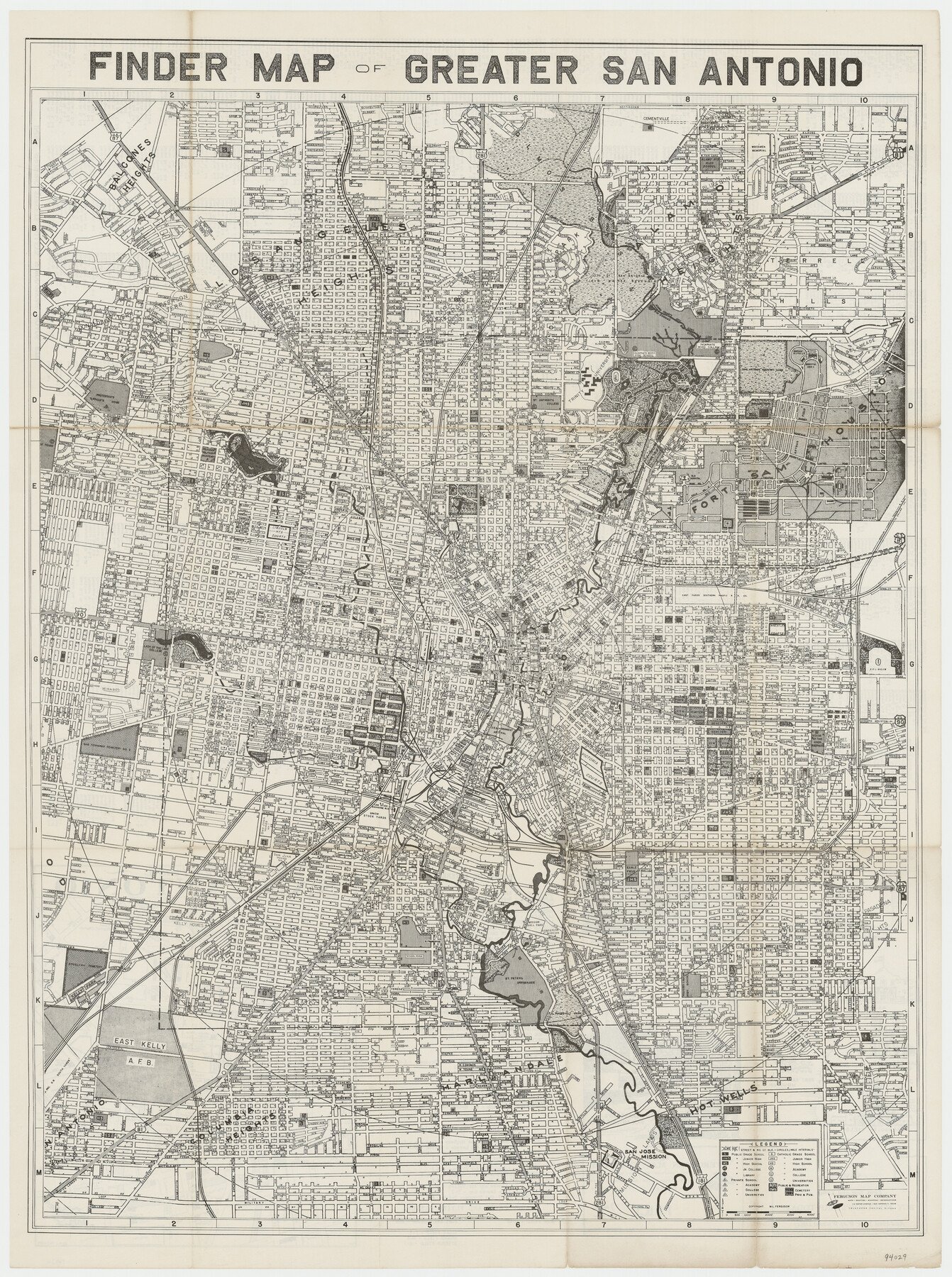
The Pals Social Club occupied a racialized landscape in the mid-twentieth century. San Antonio’s East Side was historically made up of Black neighborhoods, indicating the heavy and visible segregation of the city’s layout. As such, most of the activities of the Pal’s Social Club were centered on the city’s East Side. Key event spaces included the Shadowland Club, the Keyhole Club, and the Leon Theatre. Shadowland, in particular, became a favorite of the Pals, which hosted parties and debutant presentations at the venue. The Keyhole, owned by Don Albert, was notably part of the “Chitlin’ Circuit.” The Pals frequently booked the East Texas All Stars, a Black band, to play at their events throughout the 1960s. The club patronized local businesses, such as J. Tobin Lewis Photos, and organized events at Fort Sam Houston and the Seven Oaks Country Club. The club’s activities were publicized in the San Antonio Register, a Black-oriented newspaper published by VCC president Valmo C. Bellinger.
The Pals’ debutante balls were suspended during World War II and resumed, in collaboration with the VCC, in 1947. The VCC opened the social season each year with a debutante ball sponsored by the Pals, and the social season closed with the Pals gala “An Evening with the Pals.” This collaboration continued until 1992, after which the Pals resumed their Debutante Presentation Ball, held every year during the Christmas season. Beginning in 1953 the club held its annual debutant presentation at the La Villita Auditorium. While there were only around 150 guests at the inaugural ball in 1930, at their height in the 1960s, the presentations accommodated as many as 800 guests. In 1979 the United Negro College Fund presented the Pals with the Fred D. Patterson Award. In 1992 the National Council of Negro Women honored the Pals Social Club for their outstanding leadership towards the growth and development of the minority community in San Antonio.
Bibliography:
Dylan O’Hara, “Floating Across the Catwalk”: Women’s Labor in Three Debutante Societies in San Antonio, 1930–1960 (M.A. thesis, University of Texas at San Antonio, 2019). Pals Social Club Records, 1930–2015, University of Texas at San Antonio Libraries Special Collections. San Antonio Register, June 14, 1990; December 15, 1994.
Categories:
Time Periods:
Places:
The following, adapted from the Chicago Manual of Style, 15th edition, is the preferred citation for this entry.
Dylan O'Hara Revised by Kiauna Dunbar, “Pals Social Club,” Handbook of Texas Online, accessed March 09, 2026, https://www.tshaonline.org/handbook/entries/pals-social-club.
Published by the Texas State Historical Association.
TID:
VNP01
- May 30, 2025
- October 21, 2025
This entry belongs to the following special projects: