Texas Association Against Sexual Assault: Advocacy and Education
By: Jimena Perry
Published: August 28, 2024
Updated: August 28, 2024
The Texas Association Against Sexual Assault (TAASA), headquartered in Austin, is a nonprofit advocacy and educational organization with the stated mission to “eliminate sexual violence in Texas.” Founded in 1982, the agency provides community education, legal services, youth outreach, law enforcement training, and other programs in the effort to raise awareness and combat sexual violence. The TAASA also has more than eighty crisis centers that assist rural and urban communities throughout Texas.
The organization works with rape survivors who need assistance through referrals to a crisis center in their area, obtaining legal advice and counsel, and access to materials to learn about sexual assault and the contexts around it. TAASA also connects people with other support groups, depending on their specific situation. The Texas Association Against Sexual Assault focuses on effecting large-scale changes regarding the issue of domestic violence and public policy and perception. Such actions include clearing the rape kit backlog and passing legislation. TAASA members provide training and teaching materials, advocacy campaigns to promote systematic change to better aid survivors, pedagogic programs to further knowledge and awareness about sexual assault, and ways to prevent this type of violence.
The TAASA organizes conferences to address different topics around the issue of sexual violence. Presentations cover a broad spectrum of subjects, including challenging misconceptions and biases against survivors, sexual trauma in schools, undocumented victims of sexual assault, sexual violence against the LBGTQ community, human trafficking victims, survivors with special needs, navigating the criminal justice system, and the role of occupational, physical, and mental health therapies. TAASA also has seminars on “trauma-informed tools” for first responders. The organization’s free training seminars provide guidelines to law enforcement, campus police departments, and teacher’s professional development groups regarding their roles in identifying and assisting victims of sexual violence as well as the use of different aids for investigations.
Since TAASA’s conception in the early 1980s, the organization has been dedicated to shaping laws to help survivors of intimate violence. Working with other women’s groups, they achieved a major policy victory by working toward the removal of the spousal exemption from rape laws that reasoned a husband could not assault his wife because marriage indicated consent to sex. This push led to the legislation allowing spousal prosecution if there was physical harm. Effective September 1, 1994, marital rape exemptions were totally eliminated and made illegal on the same grounds as any other rape. The Texas Association Against Sexual Assault has remained committed to affecting change in public policy. For the Eighty-fifth Texas legislative session in 2017, the public policy team worked to successfully include appropriations for rape crisis centers and sexual assault nurse examiner programs in Senate Bill 1. Senate Bill 77, passed during the same session, made sexual assault toward a co-parent grounds for termination of parental rights. In 2021 the Eighty-seventh Texas Legislature enacted a law requiring all Texas counties to establish a Sexual Assault Response Team (SART).
The association’s legislative work has become increasingly relevant in order to secure funding. Rape crisis centers have seen a steady increase in requests for services, and by 2019 this increase resulted in counseling waiting lists of up to eight months. This delay for services undermines the mission of crisis centers that recognize a victim’s urgent and immediate need for counseling. Noticing the trend of sexual assault emergency services being overwhelmed with their communities’ needs, particularly those of already marginalized groups such as non-English speakers and children, the TAASA has influenced legislators to include financial increases in budget proposals to enable rape survivors immediate access to needed resources.
The Texas Association Against Sexual Assault, in its mission to eradicate sexual violence in the state of Texas, also participates in the Governor’s Sexual Assault Survivors’ Task Force and has partnered with researchers to study data regarding survivors and investigation and prosecution practices. The organization provides advocacy for incarcerated victims facing ongoing assault, fosters dialogue about public perceptions about sexual violence, engages in public awareness campaigns about issues of consent, and has continued to push for more comprehensive and inclusive legislation.
Bibliography:
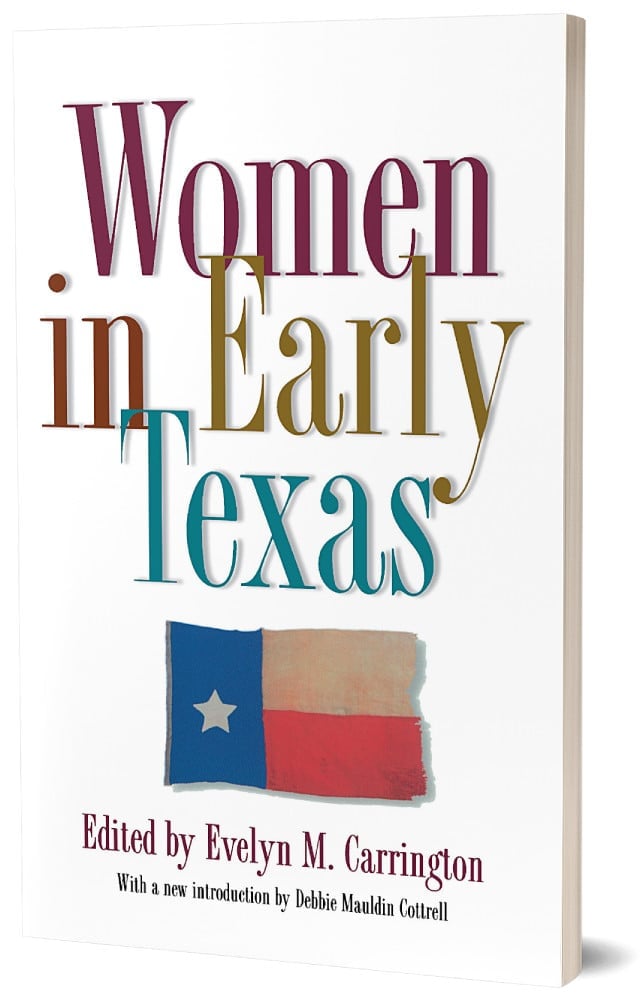
Angela Boswell, Women in Texas History (College Station: Texas A&M University Press, 2018). Natali Castillo, “Local police learn how to better handle sexual assault on college campuses,” June 18, 2019, News4SA (https://news4sanantonio.com/news/local/local-police-learn-how-to-better-handle-sexual-assault-on-college-campuses), accessed August 11, 2024. Texas Association Against Sexual Assault (https://taasa.org/), accessed August 11, 2024. Texas Observer, March 19, 2019.
Categories:
Time Periods:
Places:
The following, adapted from the Chicago Manual of Style, 15th edition, is the preferred citation for this entry.
Jimena Perry, “Texas Association Against Sexual Assault,” Handbook of Texas Online, accessed March 09, 2026, https://www.tshaonline.org/handbook/entries/texas-association-against-sexual-assault.
Published by the Texas State Historical Association.
TID:
PWTSA
All copyrighted materials included within the Handbook of Texas Online are in accordance with Title 17 U.S.C. Section 107 related to Copyright and “Fair Use” for Non-Profit educational institutions, which permits the Texas State Historical Association (TSHA), to utilize copyrighted materials to further scholarship, education, and inform the public. The TSHA makes every effort to conform to the principles of fair use and to comply with copyright law.
For more information go to: http://www.law.cornell.edu/uscode/17/107.shtml
If you wish to use copyrighted material from this site for purposes of your own that go beyond fair use, you must obtain permission from the copyright owner.
- August 28, 2024
- August 28, 2024
This entry belongs to the following special projects: