History of U.S. Customs Mounted Inspectors: From 1853 to Modern Day
By: Steven W. Hooper
Published: June 29, 2024
Updated: June 29, 2024
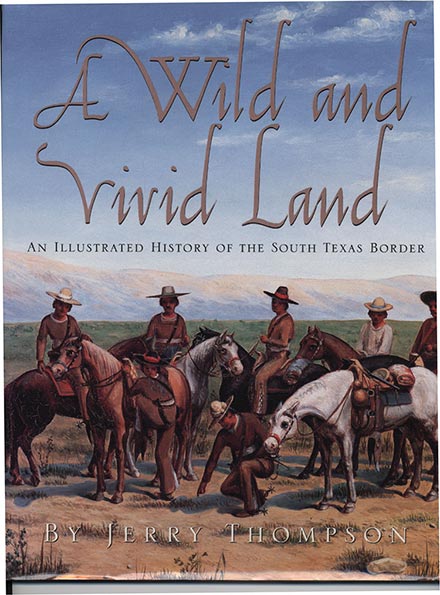
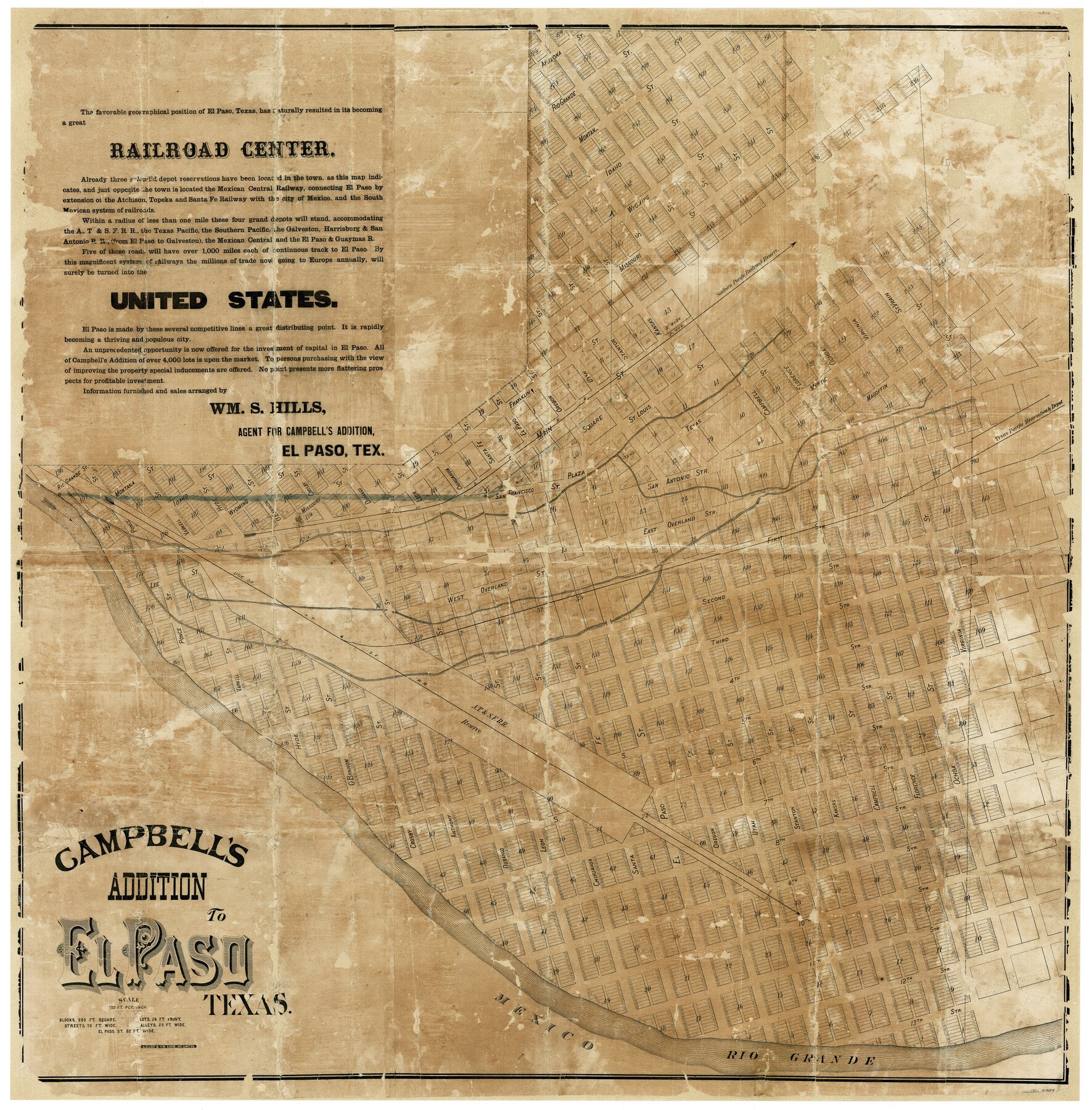
The United States Secretary of the Treasury authorized U. S. collectors of customs to use mounted inspectors for patrol duty along the nation’s Southwest border in 1853. These armed mounted inspectors were sometimes referred to as “line riders” or “river guards.” The first U. S. collector of customs at the port of Paso del Norte (El Paso), Caleb Sherman, was the first to hire mounted inspectors to patrol the border after his appointment in 1854. These mounted inspectors were responsible for patrolling the land border around El Paso and in the Territory of New Mexico which then included the land area that became the Arizona Territory. The first mounted inspectors were hired directly by the collector and were not subject to any civil service regulations. U. S. Customs mounted inspectors should not be confused with U. S. Customs inspectors, who staffed established ports of entry, or the mounted inspectors of the U. S. Border Patrol which was established in 1924 as part of the U. S. Bureau of Immigration.
In 1867 Richard L. Robertson the collector of customs at the Brazos de Santiago District (Brownsville), was authorized to appoint three deputy collectors and twelve mounted inspectors “for the prevention of smuggling between Point Isabel and the upper side of the collection district of Brazos de Santiago.” These mounted inspectors were authorized four dollars per diem. The collector was also authorized to purchase fifteen “Texian half-breed horses” for the use of these officers. The first mounted inspectors were charged with patrolling the United States/Mexican border between ports of entry on horseback to prevent the smuggling of cattle and other dutiable and contraband items. During the Civil War the use of mounted inspectors was curtailed because most of the Southwest border was under the control of the Confederacy.
In December 1868 Mounted Inspector George T. Hammond became the first mounted officer to lose his life in the line of duty. Hammond was slain during an attack by bandits in the Rio Grande town of Clarksville, Texas. The bandits first attacked the customhouse and then proceeded to raid the town. They killed Hammond, Inspector William Phelps, and seriously wounded Robert R. Ryan, the deputy collector.
Mounted inspectors were required to work long hours and often many days at a time on patrol in hostile terrain and faced threats from smugglers, cattle thieves, bandits, and American Indians. Over the years, mounted inspectors came to enforce federal laws related to immigration, the Chinese Exclusion Act, the Neutrality Act, Prohibition, and drug trafficking. Because of the limited law enforcement presence on the border, these mounted inspectors often worked and served on posses with state and local law enforcement officers apprehending criminals involved in state crimes such as bank and train robberies, cattle rustling, and murder.
Mounted inspectors patrolled the Southwest border in plain clothes until the mid-1920s when they were required to wear uniforms to make it easier for them to be identified as federal officers. They were recruited from the ranks of the Texas Rangers, sheriff’s deputies, local law enforcement officers, and cowboys who were familiar with the local terrain and the handling of livestock. After the Spanish-American War, many former members of the First United States Volunteer Cavalry, better known as the “Rough Riders,” became mounted inspectors.
By 1917 motor vehicles began replacing horses as the favored mode of transportation for smugglers and mounted inspectors. Horses continued to be used to patrol remote areas along the border where it was difficult for motor vehicles to travel. Mounted inspectors were initially assigned only to the Southwest border with Mexico, but in 1925 they were also authorized to patrol the Northern border with Canada. By 1933 vessels and aircraft were added to the fleet of motor vehicles to patrol the nation’s borders, and the title mounted inspector was changed to U. S. Customs patrol inspector.
The U. S. Customs Border Patrol was disbanded in 1948, and the officers were transferred to ports of entry or to criminal investigative positions with the Customs Agency Service. In 1972 the U. S. Customs Service reestablished a uniformed patrol force to protect our nation’s land and sea borders, and for the first time, women were allowed to join the patrol force in the wake of an important 1971 U. S. Civil Service Commission ruling that allowed the hiring of women for law enforcement positions that required the use of firearms. In the early 1990s the patrol force was again disbanded and most of the patrol officers were converted to special agent positions (criminal investigators).
Some well-known Texas-based U. S. Customs mounted inspectors include Jefferson Davis Milton, Everett Ewing Townsend, Dennis Edward Lindsey, Claron Augustus Windus, and Anderson Yancey Baker.
In 2003 the Department of Homeland Security (DHS) was established, and several agencies, including the Treasury Department’s U. S. Customs Service (USCS) and portions of the Justice Department’s Immigration and Naturalization Service (INS) including the Border Patrol, were combined to form a new agency known as U. S. Customs and Border Protection (CBP). Criminal investigators (special agents) of the former U. S. Customs Service were placed in a new DHS agency known as Homeland Security Investigations (HSI).
Bibliography:
CBP Timeline, U. S. Customs and Border Protection (https://www.cbp.gov/about/history/timeline-static-view), accessed June 4, 2024. George T. Díaz, Border Contraband: A History of Smuggling Across the Rio Grande (Austin: University of Texas Press, 2015). Samuel K. Dolan, The Line Riders: The Border Patrol, Prohibition, and the Liquor War on the Rio Grande (Guilford, Connecticut: TwoDot, 2022). David C. Ellis, U. S. Customs Special Agents: America’s Senior Investigators (Lebanon, New Hampshire: Whitman Communications, Inc., 2004). Flake’s Bulletin, May 9, 1867; January 2, 1869. Galveston Daily News, December 27, 1868. Homeland Security Investigations (https://www.dhs.gov/hsi/who-we-are), accessed June 4, 2024. Houston Chronicle, June 4, 1948. Holly M. Karibo and George T. Díaz, eds., Border Policing: A History of Enforcement and Evasion in North America (Austin: University of Texas Press, 2020). Portland Press Herald (Maine), April 30, 1867. Arthur Settel, A Pictorial History of the United States Customs Service (New York: Crown Publishers, Inc., 1975). U. S. Customs Service: Protectors of Independence Since 1789 (Washington, D.C.: Department of the Treasury, U. S. Customs Service, Public Information Division, 1989).
Time Periods:
The following, adapted from the Chicago Manual of Style, 15th edition, is the preferred citation for this entry.
Steven W. Hooper, “U.S. Customs Border Patrol,” Handbook of Texas Online, accessed March 09, 2026, https://www.tshaonline.org/handbook/entries/us-customs-border-patrol.
Published by the Texas State Historical Association.
TID:
NCUCU
All copyrighted materials included within the Handbook of Texas Online are in accordance with Title 17 U.S.C. Section 107 related to Copyright and “Fair Use” for Non-Profit educational institutions, which permits the Texas State Historical Association (TSHA), to utilize copyrighted materials to further scholarship, education, and inform the public. The TSHA makes every effort to conform to the principles of fair use and to comply with copyright law.
For more information go to: http://www.law.cornell.edu/uscode/17/107.shtml
If you wish to use copyrighted material from this site for purposes of your own that go beyond fair use, you must obtain permission from the copyright owner.
- June 29, 2024
- June 29, 2024